
The lead hook punch is one of the most iconic, versatile, and devastating techniques in all of boxing. Whether you’re a seasoned fighter, an aspiring amateur, or simply someone looking to elevate your power and precision at home, the lead hook remains a cornerstone of effective striking. It’s fast, compact, and capable of generating significant knockout force when executed correctly.
In this guide, we’ll explore what makes the lead hook punch so powerful, how fighters and coaches can use modern technology to measure and track improvements, and how to train the technique effectively using an indoor punch bag and other home boxing equipment. We’ll also break down the demonstration shown in the video above, where we use the PowerKube to measure striking performance over time.
Why the Lead Hook Punch Matters
While straight punches — like the jab or cross — are often used to create distance or set up attacks, the lead hook punch is different. It’s a close-range weapon designed to:
-
Disrupt an opponent’s guard
-
Slip around tight defences
-
Deliver high rotational power
-
Create knockdowns with short movement
-
Counter efficiently at mid-range
The lead hook is also uniquely effective because it requires less telegraphing. A well-timed hook can land before the opponent even recognises what’s coming. That speed-to-power ratio is exactly why trainers consider it a fight-changing technique.
Check out some of the most explosive hooks in the boxing business (both lead and rear) in this top 10 video:
Breaking Down the Mechanics of a Perfect Lead Hook Punch
To get the most out of your lead hook, technique matters. Even when using an indoor punch bag or home boxing equipment, focusing on the fundamentals will dramatically improve both power and consistency.
1. Stance and Base
A stable position ensures you can rotate effectively. Your feet should remain grounded, with weight balanced and your lead foot slightly angled inward.
2. Hip Rotation
The power of a lead hook punch doesn’t come from the arm — it comes from the hips. Rotating your lead hip inward generates torque, which travels up through the core into the shoulder and arm.
3. Compact Arm Position
The elbow should be bent at roughly 90 degrees, keeping your forearm horizontal. A tight, compact motion increases speed and makes the punch harder to read.
4. Pivot on the Lead Foot
As your hips rotate, pivot on your lead foot. This adds snap and drives force directly into the target.
5. Chin Down, Opposite Hand Up
Protect yourself while striking. A disciplined guard ensures you don’t trade clean shots on exchanges.

Using Technology to Measure Your Lead Hook Punch Performance
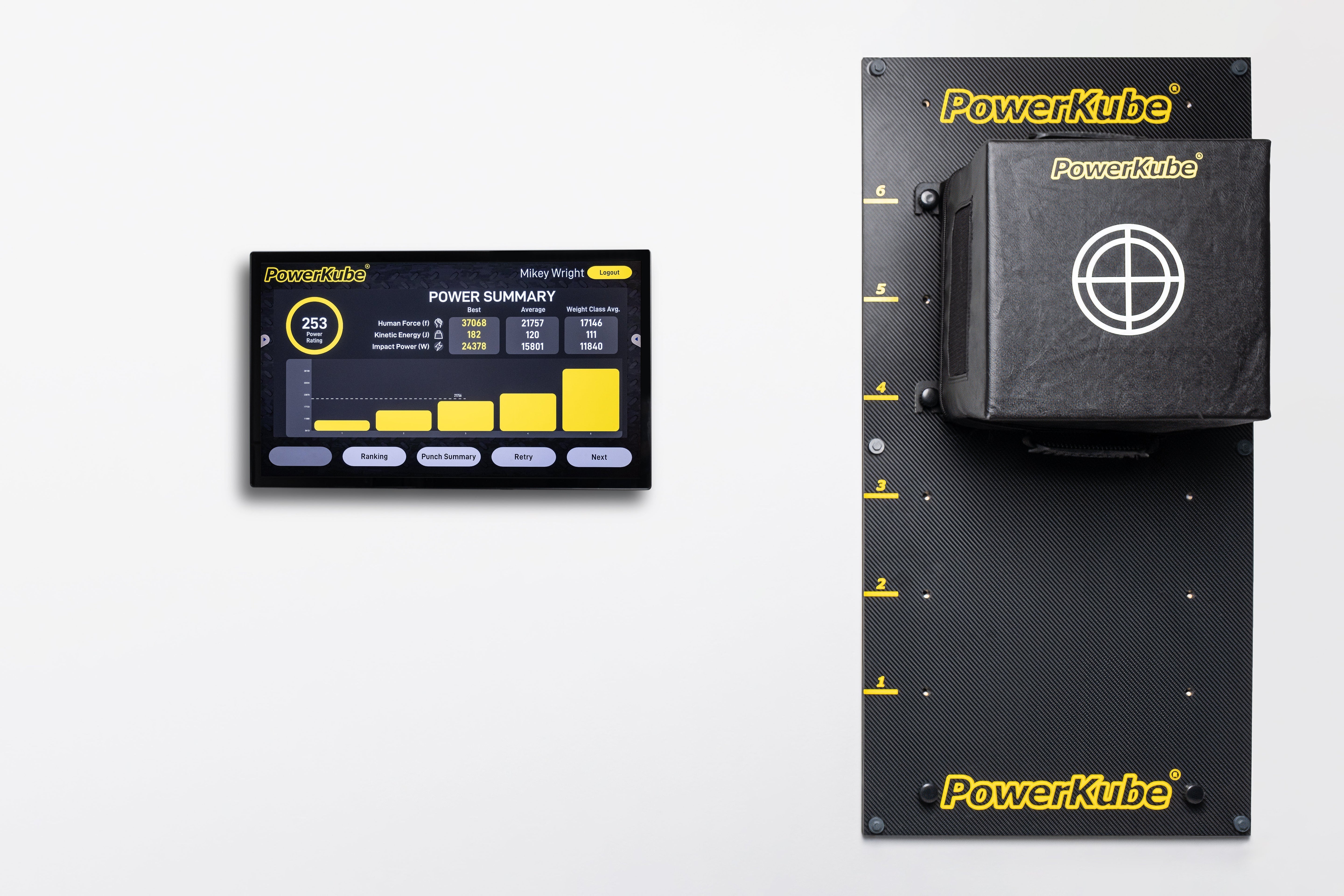
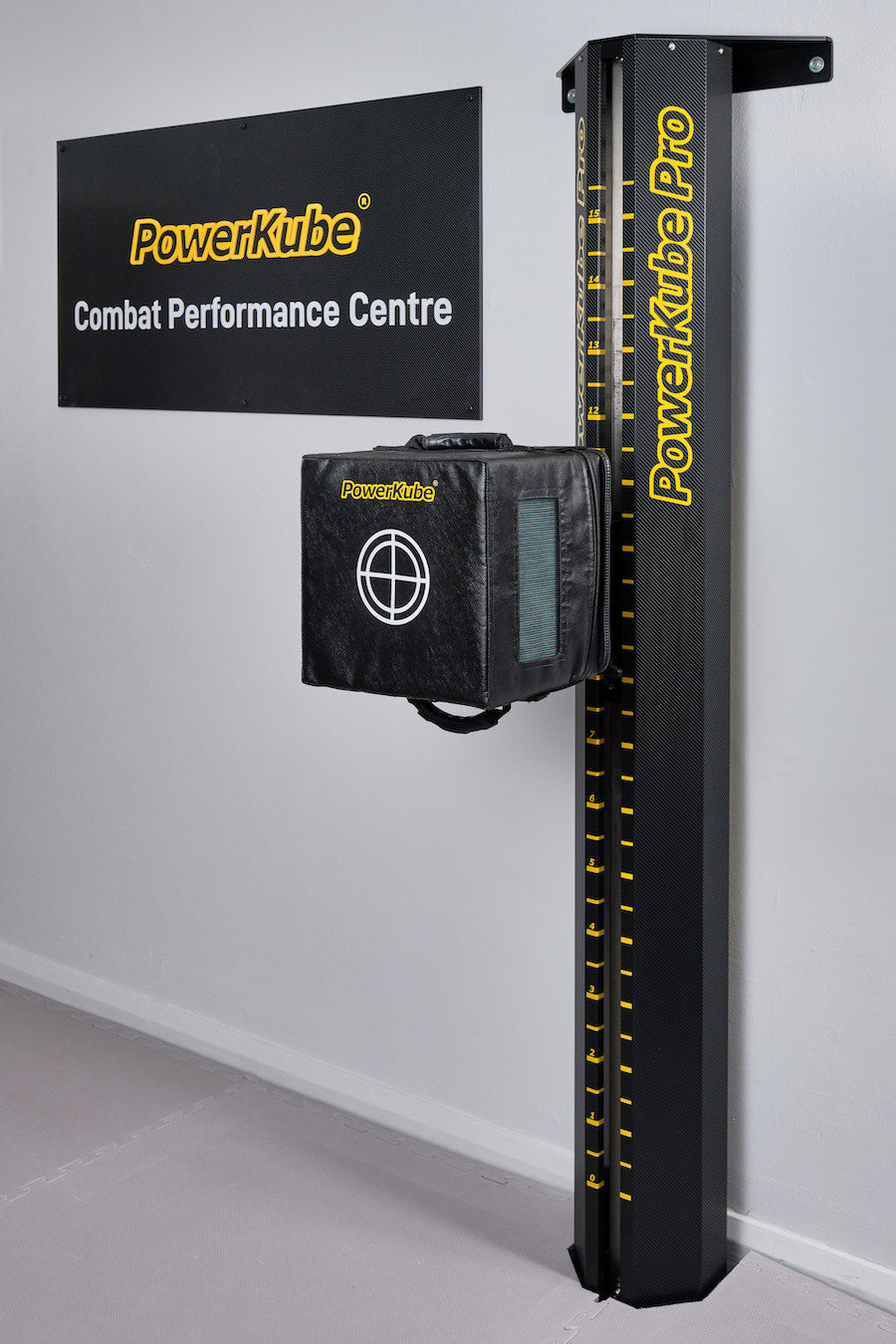
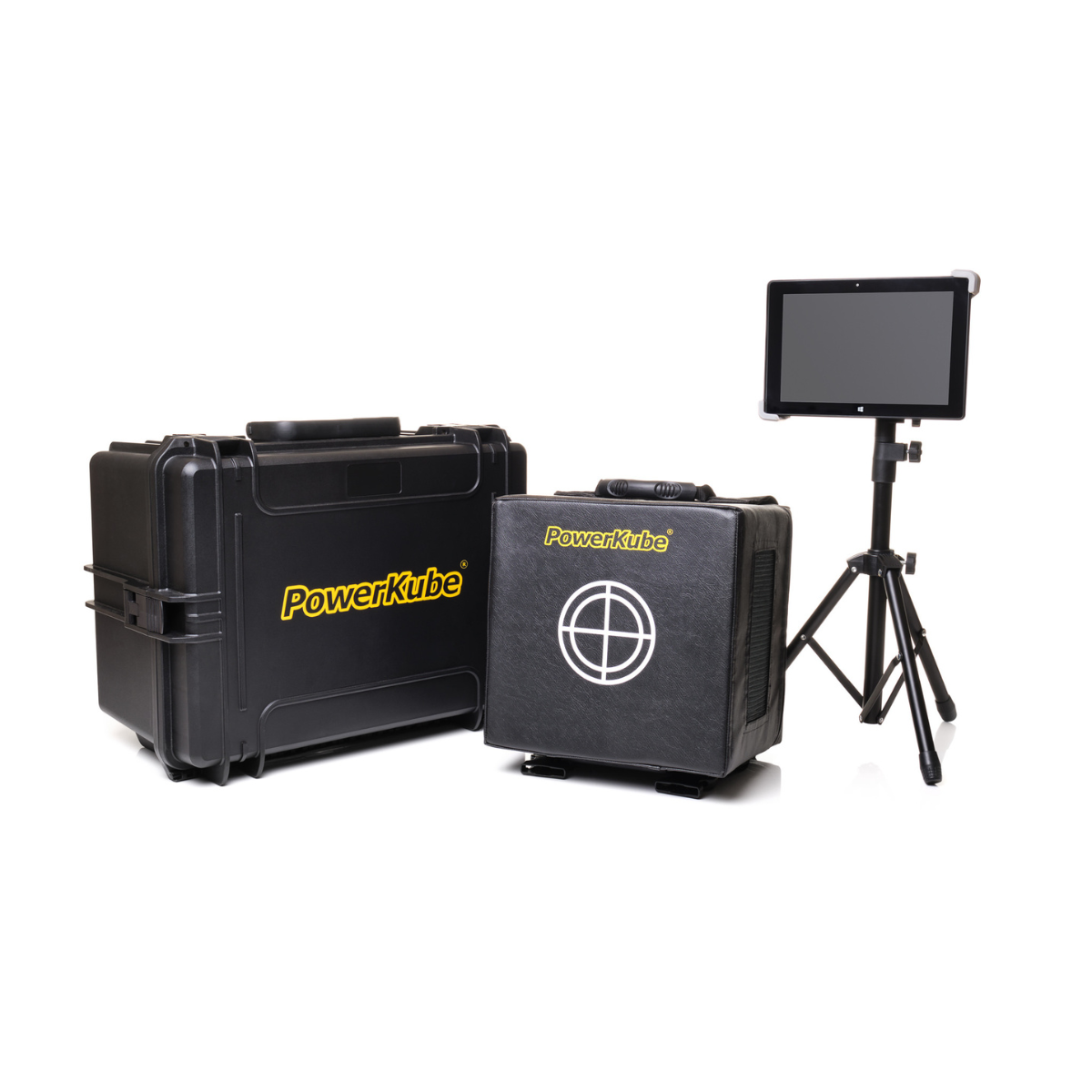
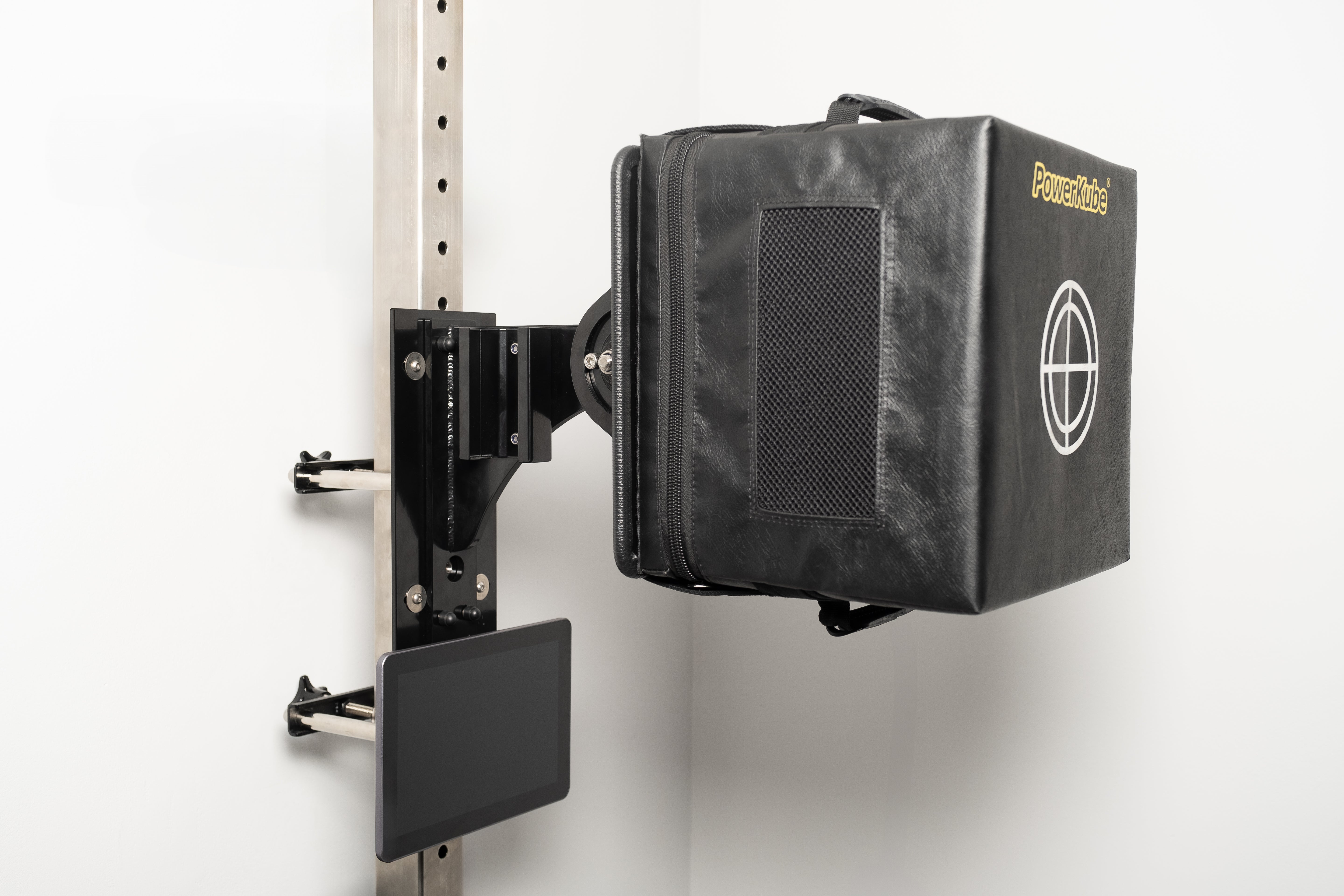
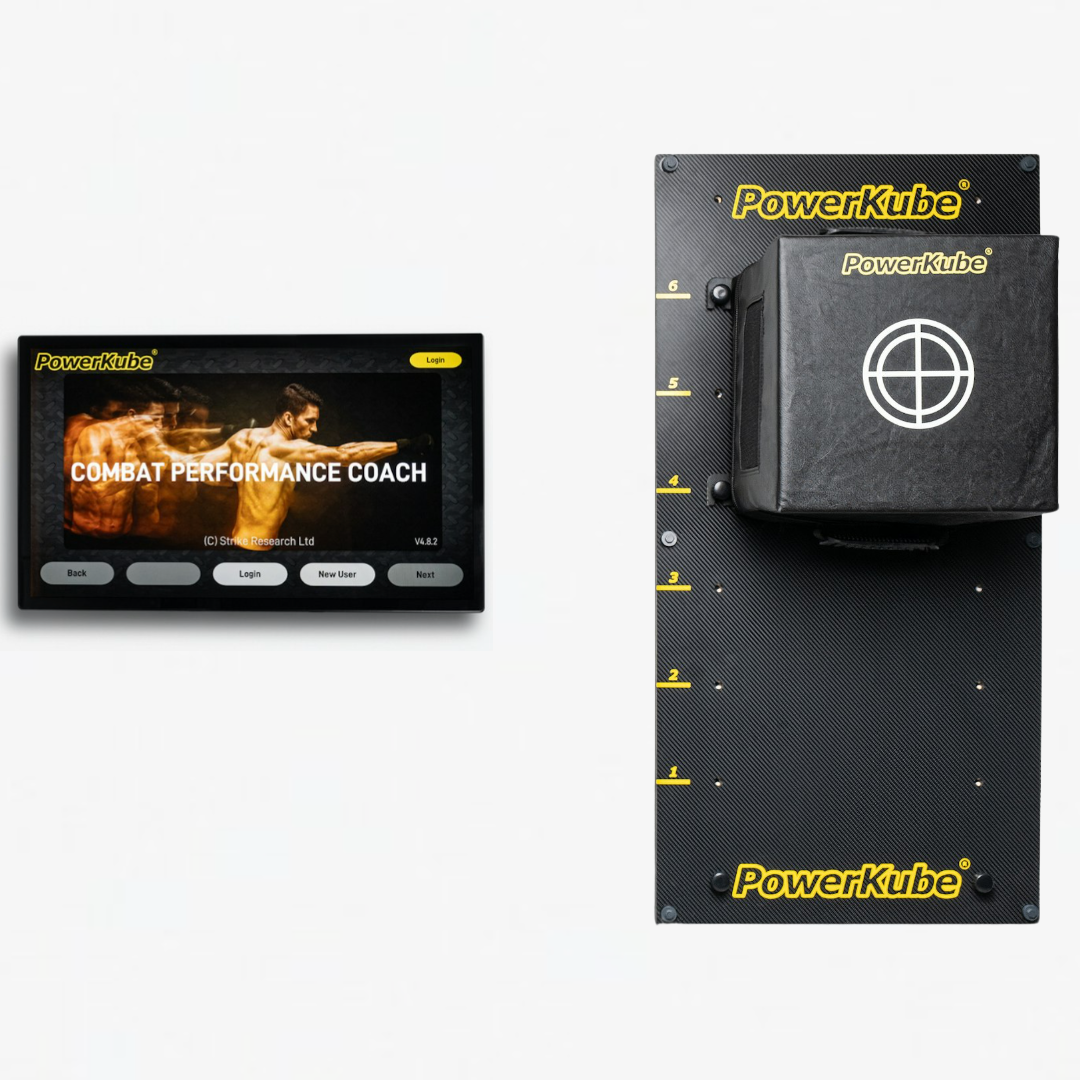
Traditionally, fighters rely on feel, feedback from trainers, and sparring results to estimate punching power and efficiency. Today, however, devices like the PowerKube allow athletes to measure striking output with data-driven accuracy.
In the video demonstration above, we walk through exactly how fighters and coaches can track their lead hook punch performance over time.
Step 1: Setting Up the Test
Using the PowerKube’s power testing mode, we select the technique — in this case, the lead hook — and set the system to record five repetitions.
This allows for:
-
Consistent baseline measurement
-
Clear tracking between sessions
-
Repeatable testing conditions
Step 2: Executing Five Controlled Lead Hooks
The first round of five strikes establishes the baseline. These should be performed with proper technique, not wild swings, allowing the system to capture real form-based output.
Step 3: Repeat the Test
After performing technical adjustments or coaching interventions, we repeat the same exact test — another round of five lead hook punches.
This mirrors the real-world process fighters follow during:
-
Mitt sessions
-
Bag drills
-
Technical corrections
-
Fight camp conditioning
Step 4: Using the History Function to Analyse Improvement
The PowerKube’s history feature instantly shows the percentage difference between the first and second set.
In the example video, the second round of five punches recorded a 41% increase over the initial baseline. This demonstrates how technical cues, improved rotation, or better foot engagement can produce significant improvements — sometimes within minutes.
For fighters, this is invaluable.
For coaches, it’s a breakthrough.
For home users, it means you can track real progression using solid data.

Training the Lead Hook Punch at Home
Even without advanced measurement tools, you can dramatically develop your lead hook punch using an indoor punch bag and basic home boxing equipment.
Recommended Home Boxing Equipment
To build a complete home training setup, consider the following:
-
Indoor punch bag (60kg+ recommended)
-
Bag gloves or 12–16oz boxing gloves
-
Hand wraps for wrist support
-
Wall-mounted or handheld
-
Optional: slip rope or reflex ball for defensive practice
This equipment gives you everything you need to drill, measure improvement manually, and develop consistent technique.
Indoor Punch Bag Drills for a Stronger Lead Hook Punch
Below are several effective drills designed for home environments.
1. Slow Technical Hooks (3 x 15 reps)
Focus purely on technique:
-
Hip rotation
-
Tight form
-
Smooth pivot
-
Controlled breathing
Slow reps help build muscle memory.
2. Power Hooks Into the Bag (5 x 5 reps)
Exactly like the test shown in the video:
-
Deliver five explosive hooks
-
Reset and repeat
-
Track your perceived power each round
This mirrors professional camp training.
3. Lead Hook → Cross Combination (3 x 10 reps)
Linking punches improves flow and coordination.
-
Hook with the lead hand
-
Rotate back into a sharp cross
-
Maintain posture and guard
4. Defensive Hook Counter Drill
Slip left or right and immediately fire the lead hook.
This improves timing and develops fight-ready instincts.

How to Integrate the Lead Hook Into Your Home Boxing Routine
To build a complete training programme at home:
-
Warm up with light shadowboxing
-
Begin with technical drills
-
Move into power attempts
-
Finish with endurance hook combinations
Add in footwork, head movement, and bag swings for realism. Over time, you’ll notice:
-
Faster rotational power
-
Sharper technique
-
Greater precision
-
Improved conditioning
-
More confidence during sparring or fitness workouts
Why Tracking Your Lead Hook Punch Matters
The ability to measure your improvement transforms how you train. Fighters often underestimate or overestimate their power, consistency, and fatigue levels. Data helps correct this.
Tracking your lead hook punch lets you:
-
Identify weaknesses
-
See progress across weeks or during fight camps
-
Compare testing days
-
Understand how fatigue impacts output
-
Recognise technique changes that produce instant results
With tools like the PowerKube, fighters can run repeatable, measurable tests at home or in the gym — bringing science into boxing.
Final Thoughts: Train Smart, Train Consistently
The lead hook punch is not just another technique — it's a core weapon that every boxer, martial artist, and fitness enthusiast should develop. With the right training approach, a reliable indoor punch bag, and simple home boxing equipment, you can dramatically increase your power, speed, and technical confidence.
Whether you're preparing for competition, building knockout power at home, or simply becoming a more complete striker, mastering the lead hook punch will elevate your entire training game.
Aktie:
The Surprising Truth About Lead Hooks vs. Rear Hooks: Which Punch Packs More Power?