
Knockout Fitness
Hammerfists, Backfists & Hook Punches
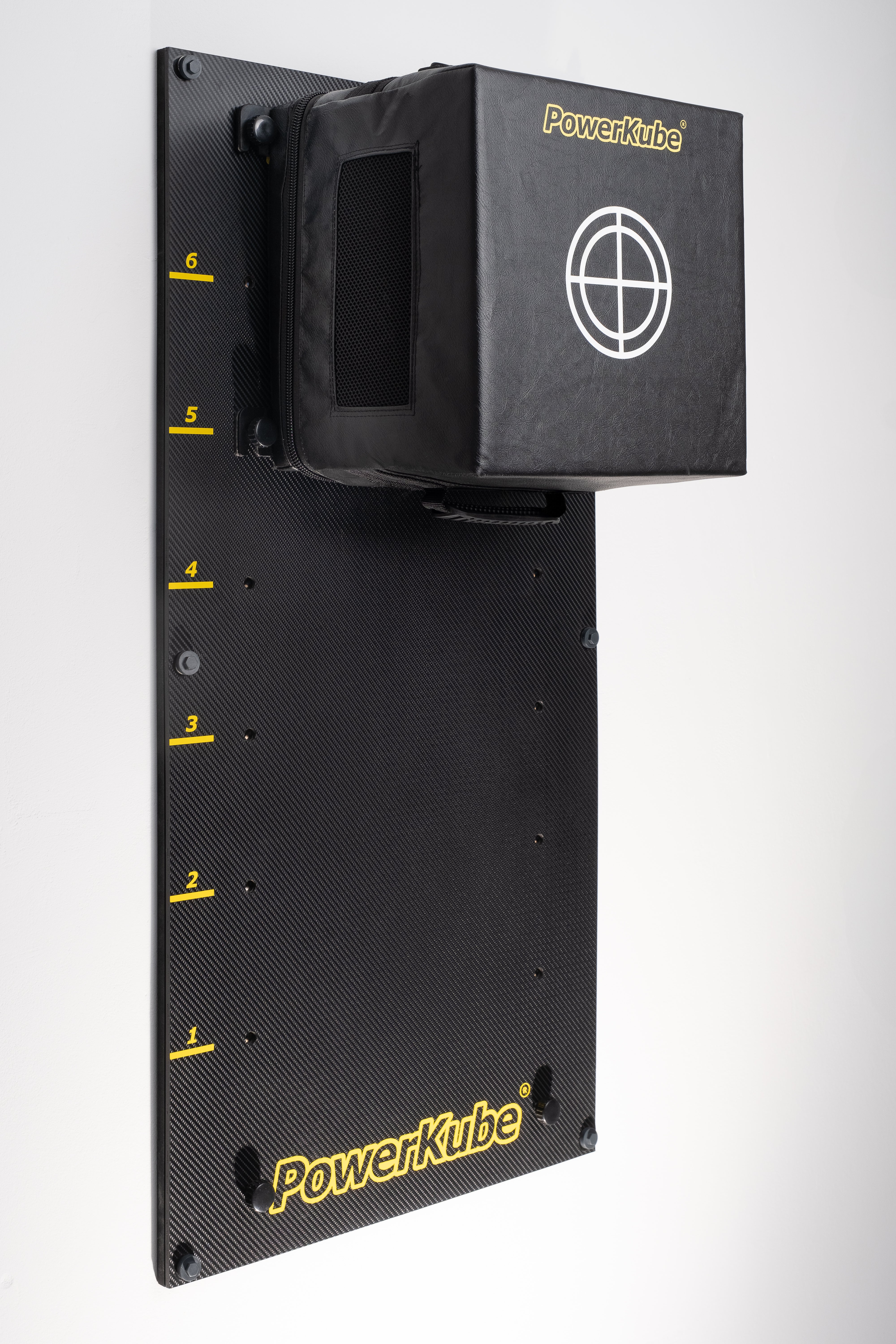
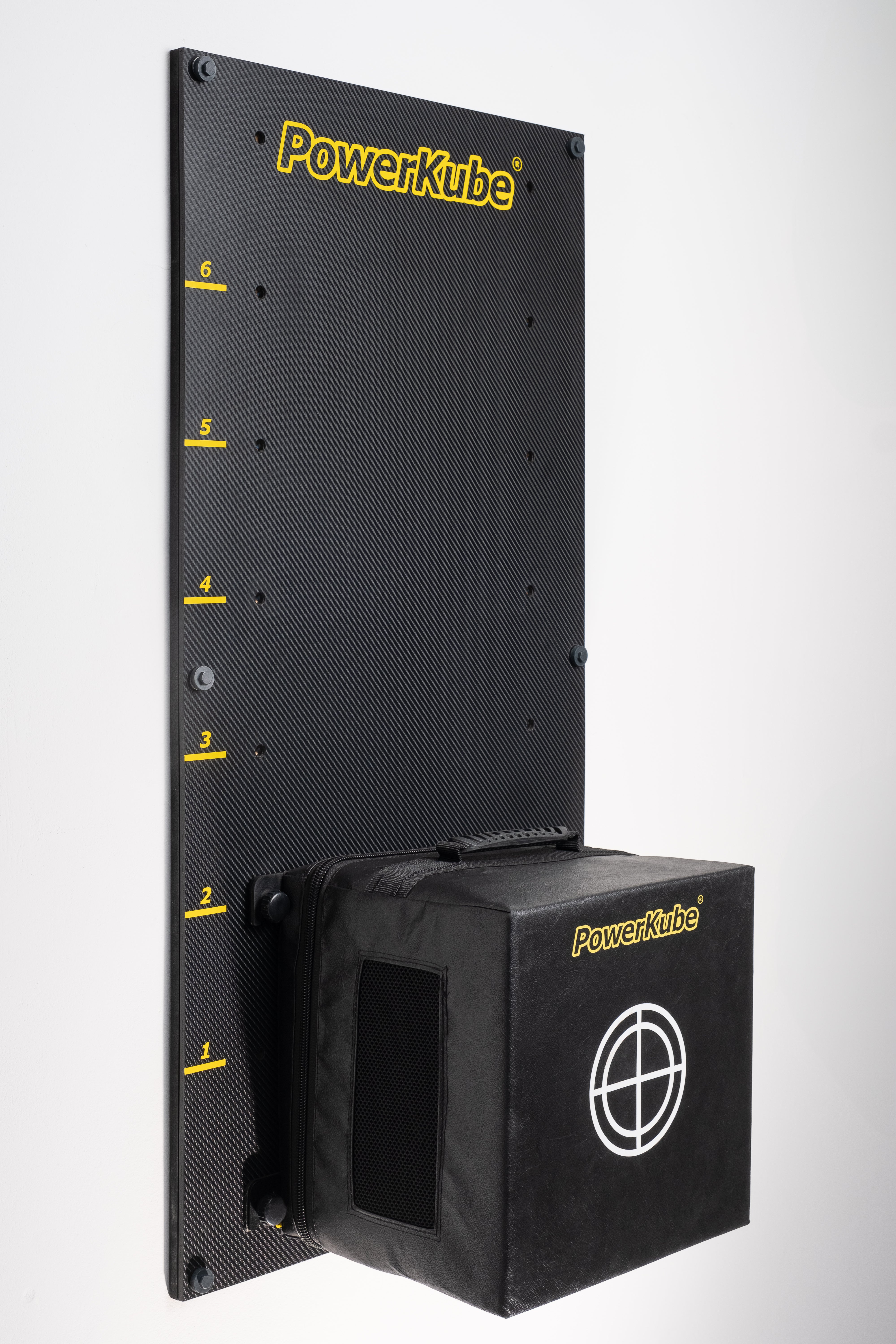
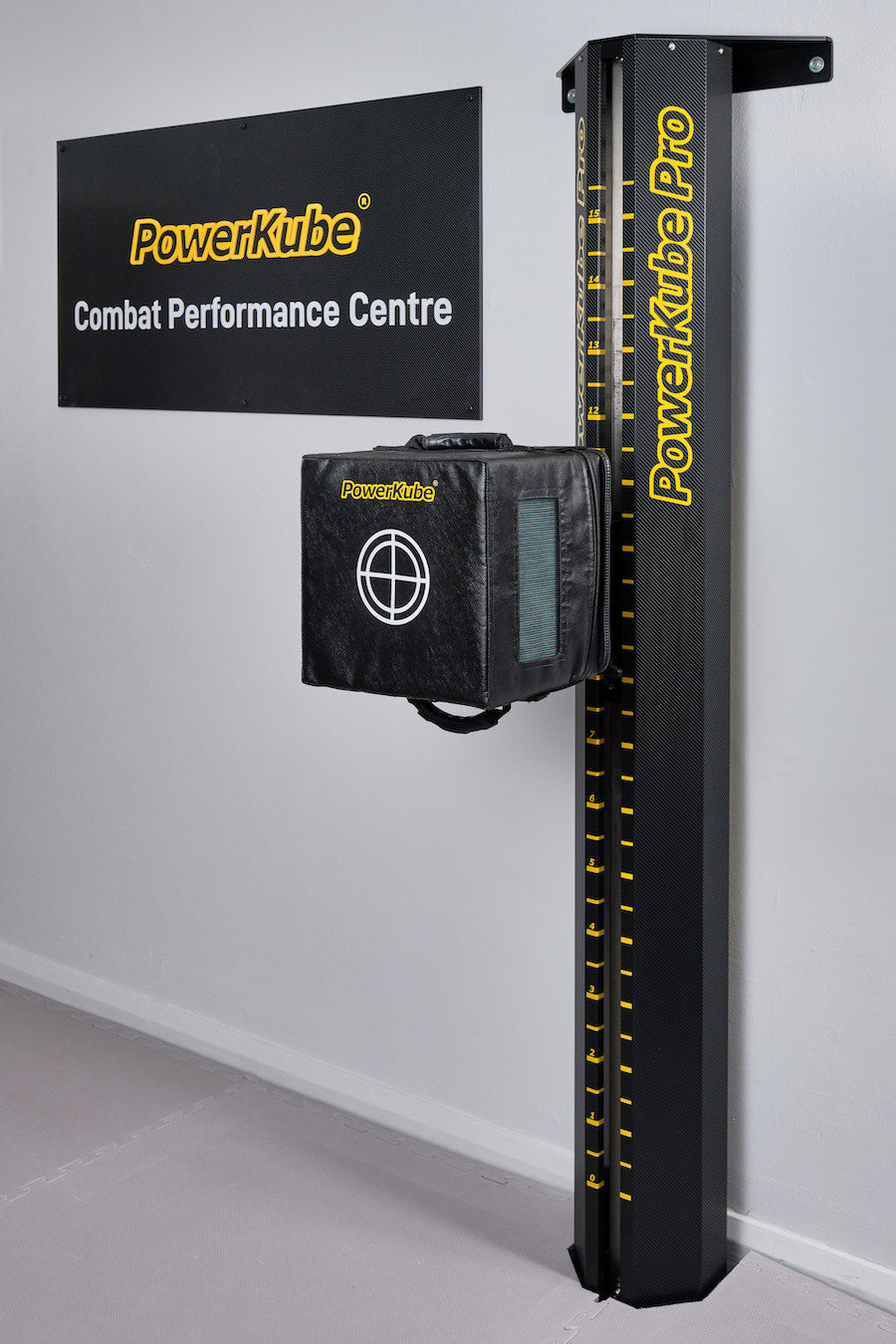
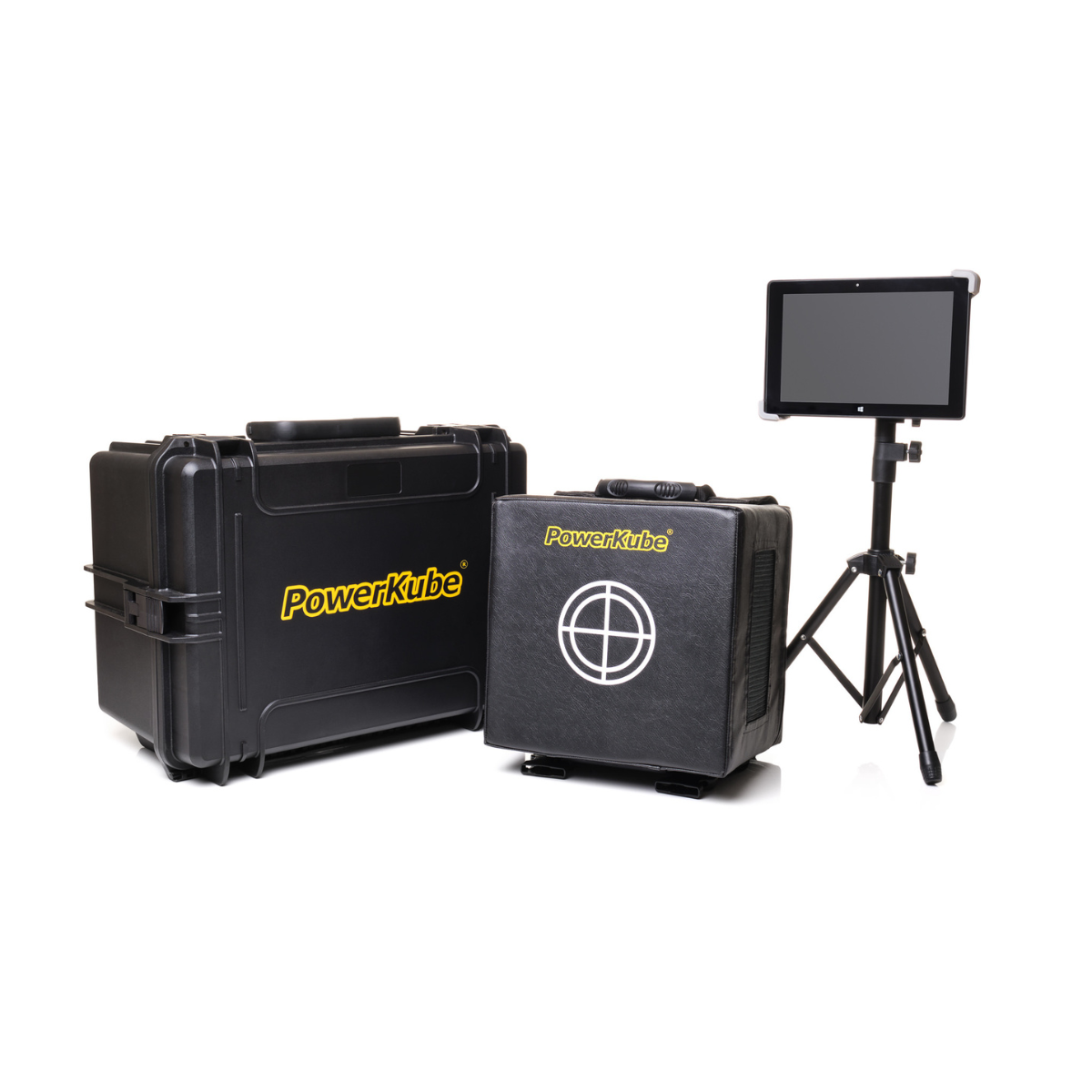
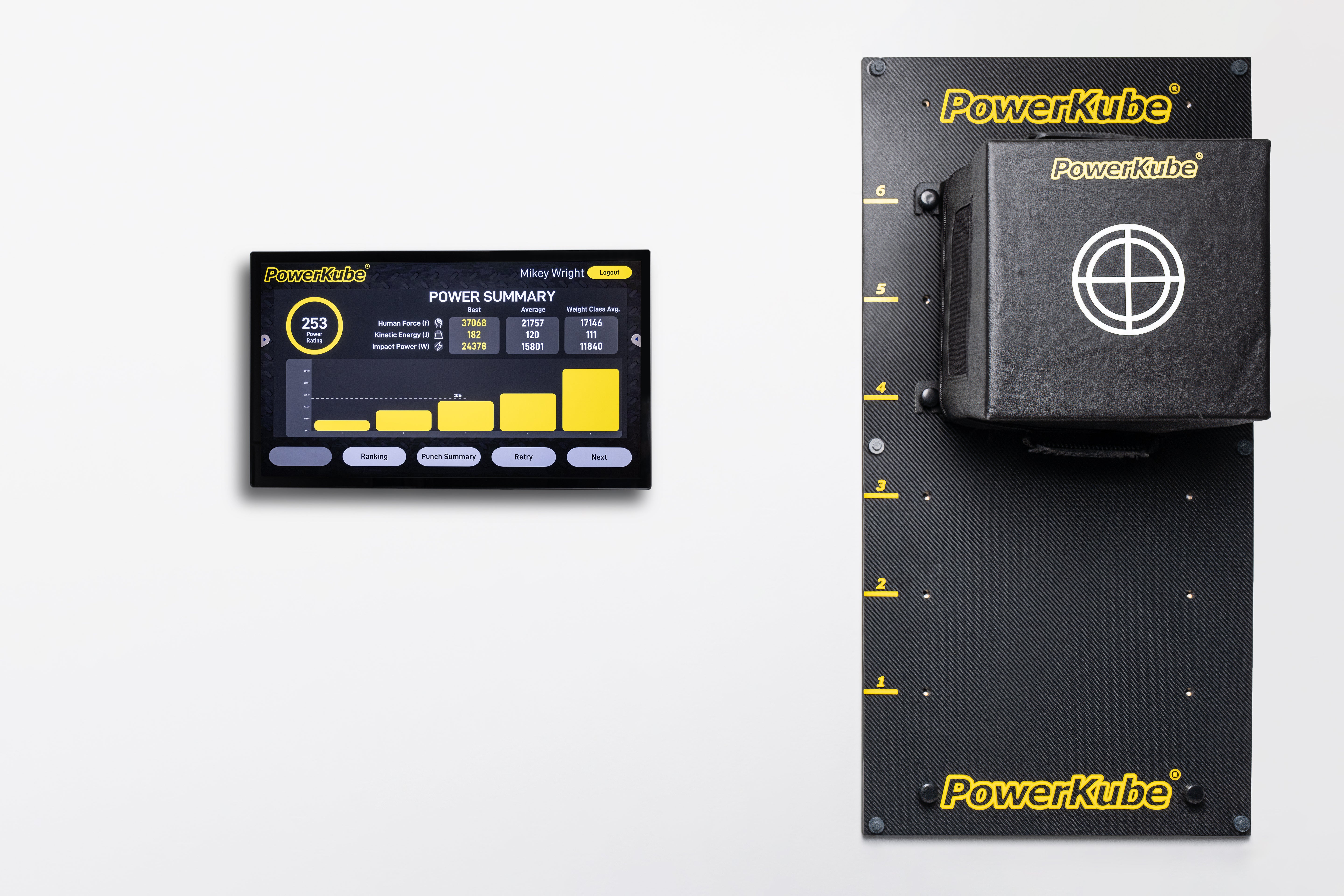
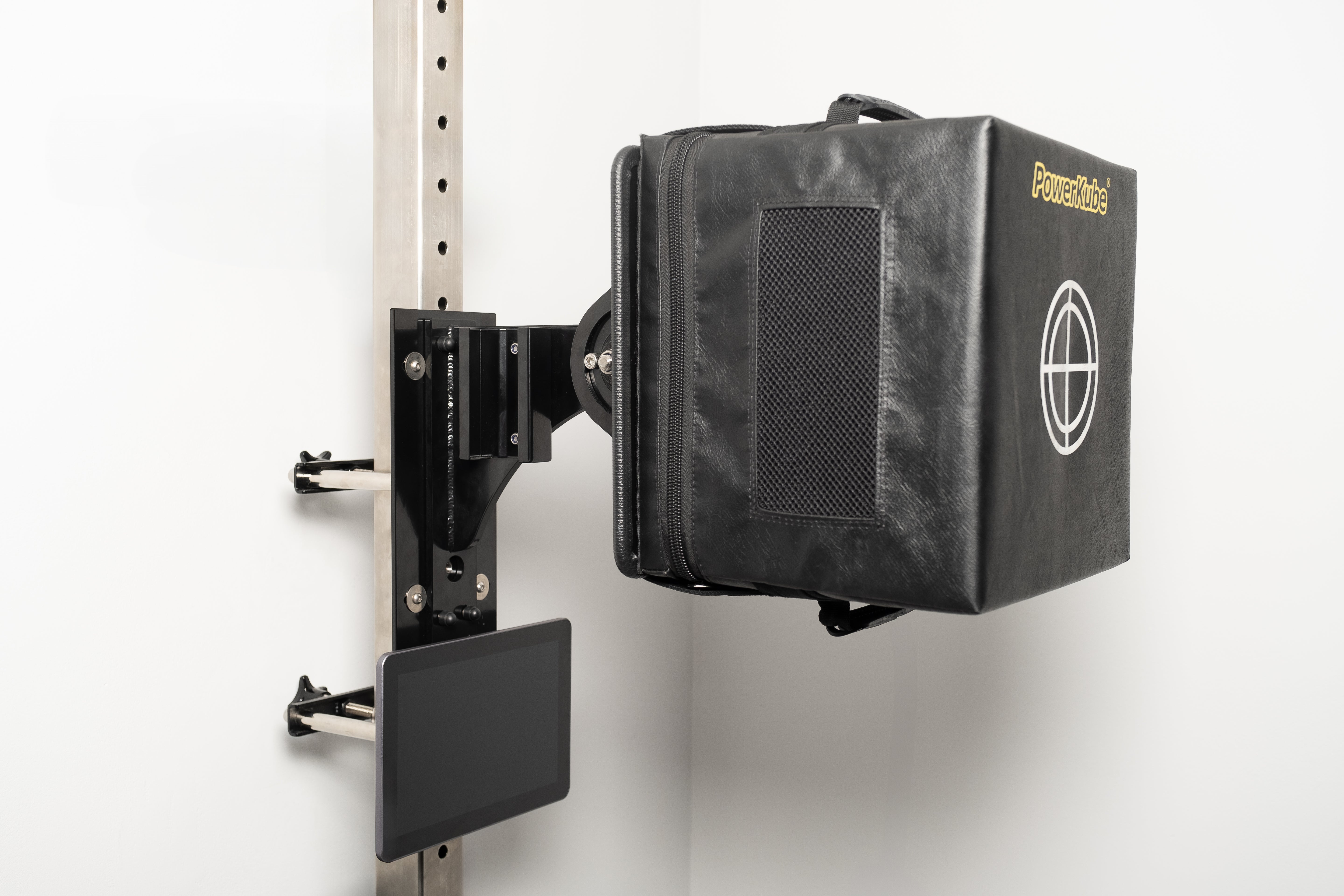
Want practical knockout fitness insight for small-space training? We tested hook punches, hammerfists and backfists on the PowerKube Gym Lite to understand how these strikes perform, and how that matters if you train at home with an indoor punching bag or are looking for a suitable punching bag for apartment use.
Reading time: ~5 minutes, optimized for mobile and small-space trainers.
Tip: rotate your phone for a closer look at the display. Watch more at our PowerKube YouTube channel.
Why this matters for knockout fitness and small-space training
If you train knockout fitness at home, you might be choosing between an indoor punching bag or a compact solution that measures impact. Understanding how different strikes (the classic hook versus hammerfists or backfists) produce force helps you pick drills that transfer to both real self-defence and heavy-bag conditioning.
It also informs what you want from a punching bag for apartment (noise, surface area, and the kind of strikes you plan to practise).
The test: What we recorded
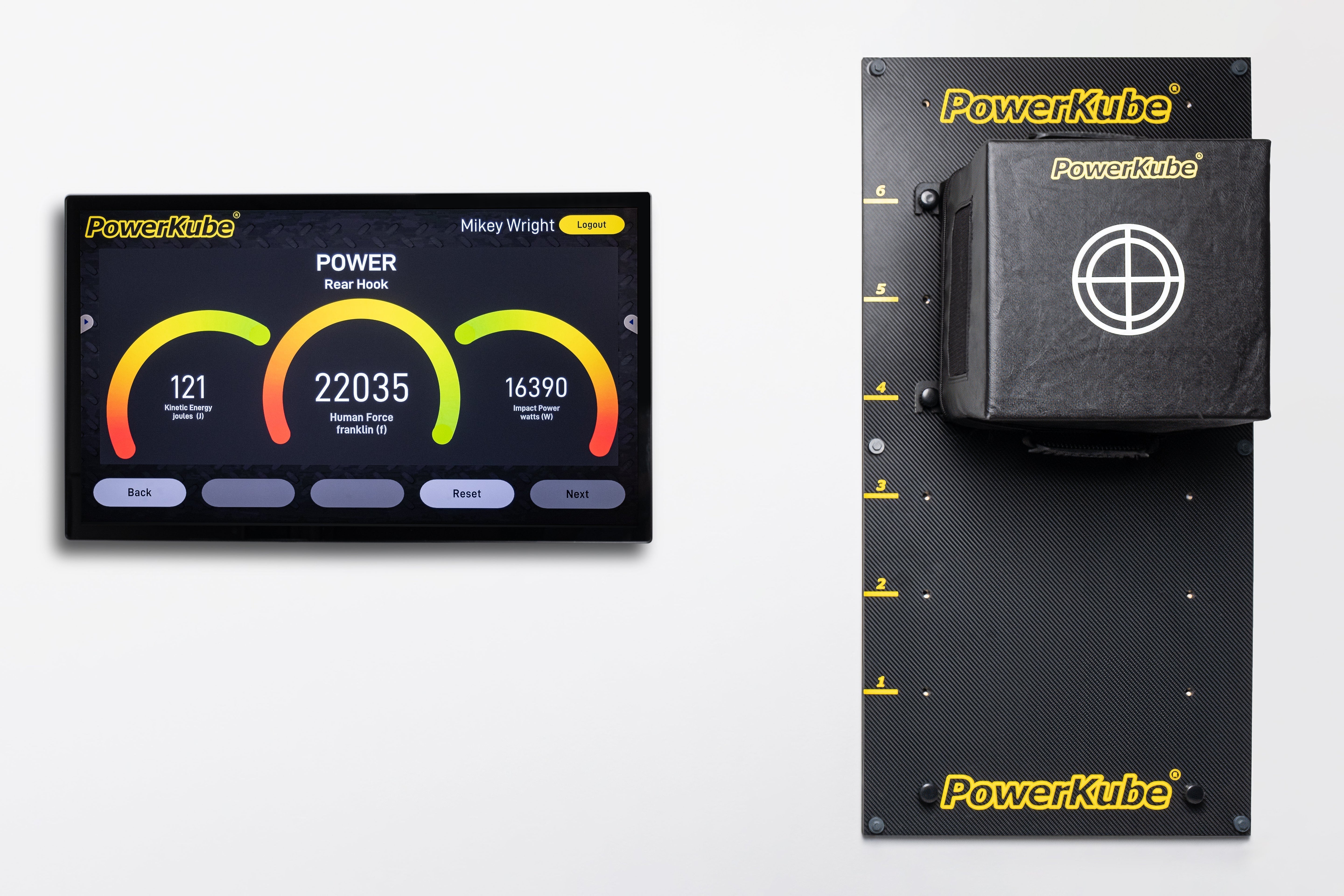
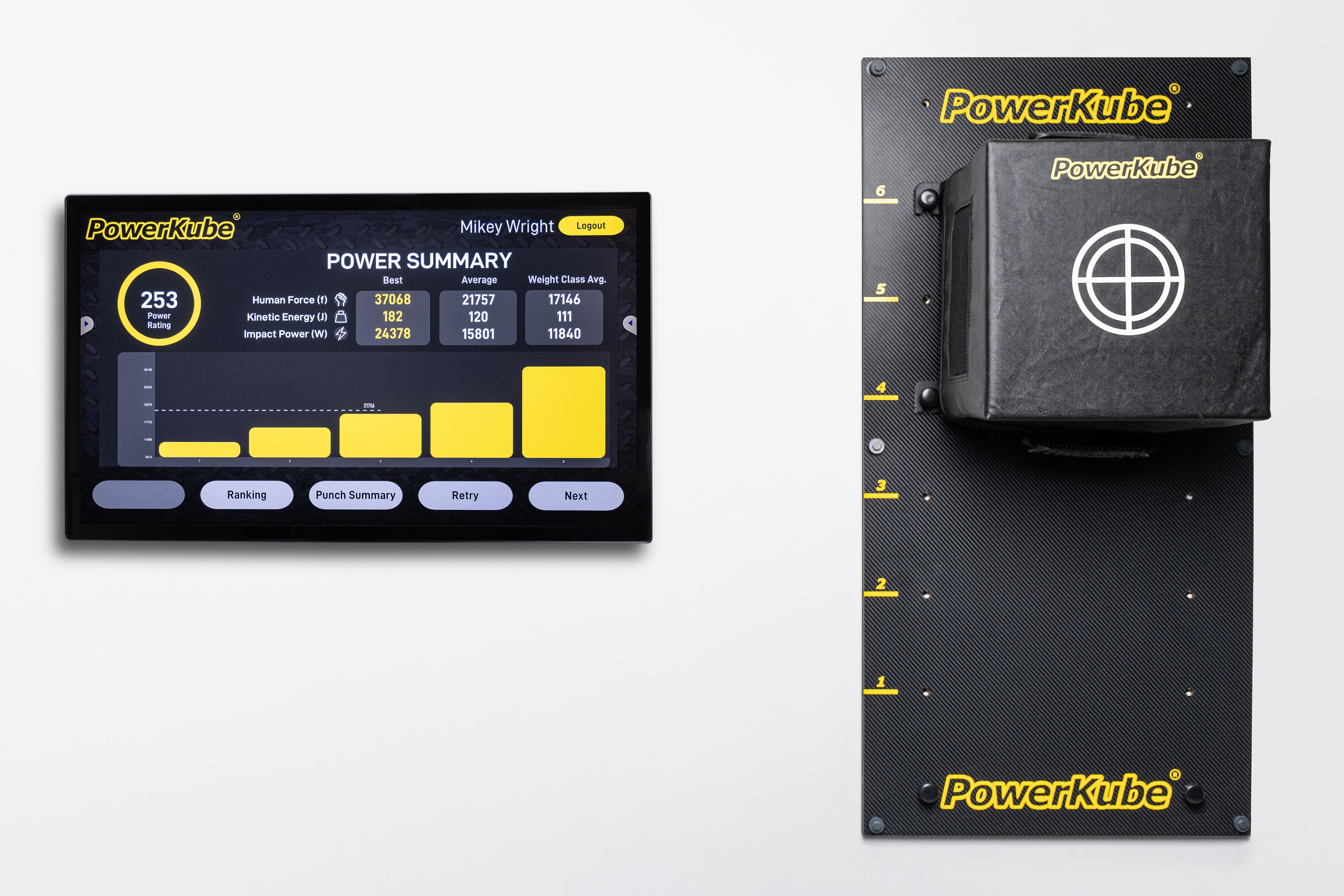
Using the PowerKube Gym Lite readings from the session, we compared a textbook hook to two hammerfist variations:
- Hook punch: consistent, relatively high numbers across repeats, reliable for knockout fitness scenarios.
- Hammerfist (base of hand): variable outputs, examples in the recording show lower, less consistent readings.
- Hammer/forearm contact: when the striker used more forearm and mass behind the blow, readings rose sharply and approached hook levels.
The simple takeaway: more mass and surface area behind a strike typically equals better penetration and higher measured impact.
Transcript highlights (concise)
From the session: we delivered a hook (consistent decent numbers). Then we tested a hammerfist at 45° using the base of the hand, results were mixed. Switching to the forearm version (more mass and surface area) produced a significant increase in readings. It still did not always match the hook, but the gap closed considerably.


How this changes your home training choices (punching bag for apartment)
If apartment life restricts your options, consider the following for knockout fitness:
- Low-noise, compact indoor punching bag: pick a bag with controlled rebound and secure mounting to minimise noise for neighbours.
- Soft-surface, high-surface-area bags: these are better for practising hammerfists and forearm-driven strikes safely indoors.
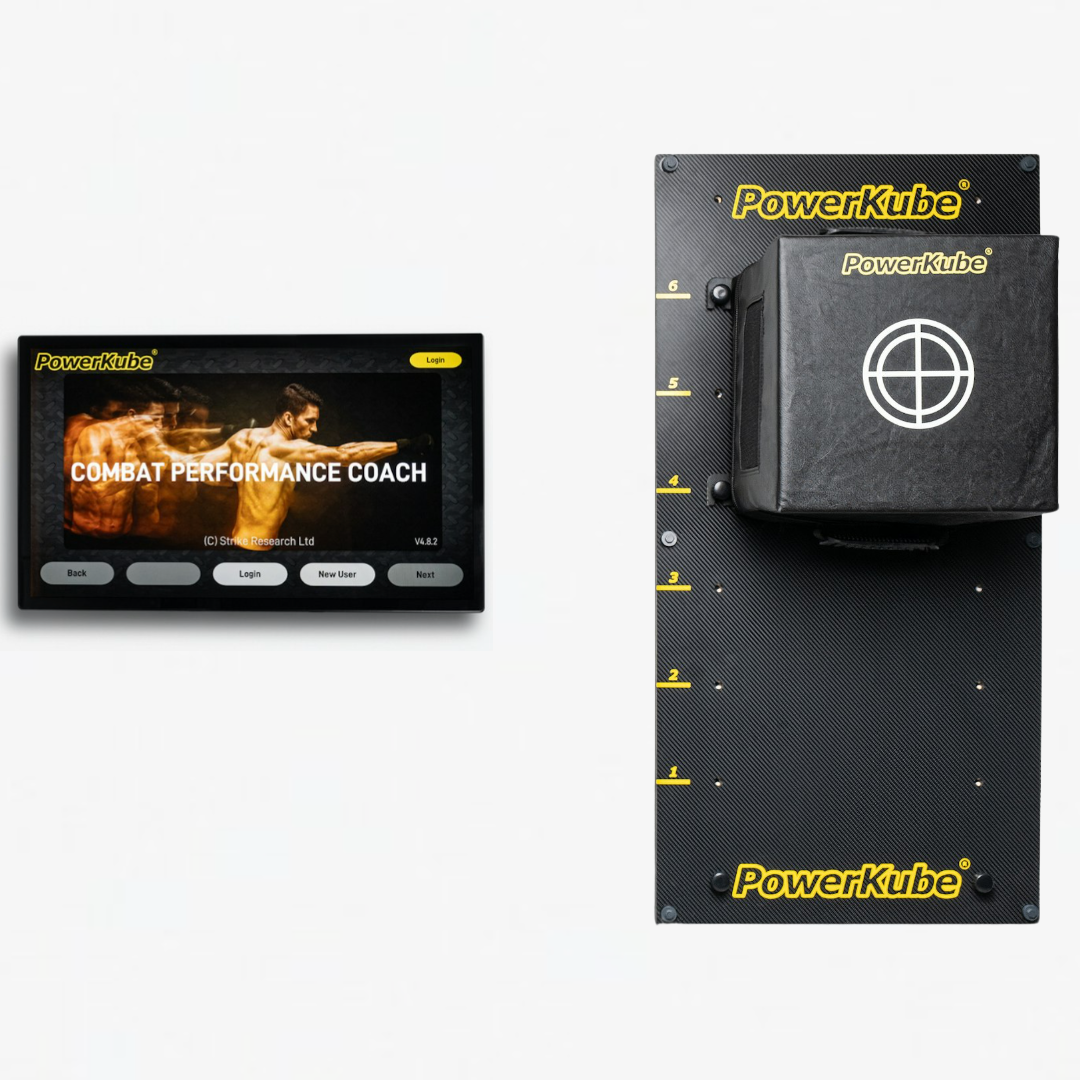
- Measured training (PowerKube Gym Lite): for small-space athletes, combining a compact bag with measured impact sessions speeds progress and helps track punch power without needing a full-size heavy bag.
Practical drills & safety tips
- Drill the hook for consistent knockout fitness power, then add short rounds of hammerfists (base hand and forearm) to build adaptability.
- Use angles (45°) and stepping to practise mass transfer. The test showed angled hammer/forearm strikes increase impact.
- For apartment training, protect flooring and mounting points; use a free-standing or ceiling mount rated for your bag’s weight to reduce noise and vibration.
Want measurable progress? Watch more strike comparisons on our PowerKube YouTube channel and consider the PowerKube Gym Lite to add data to your knockout fitness sessions, perfect alongside a compact indoor punch bag.
Share:
The Surprising Truth About Lead Hooks vs. Rear Hooks: Which Punch Packs More Power?